Siding does one job. It keeps water, wind, and heat off your walls. When it fails, the wall behind it pays. Cacnon Windows & Siding helps homeowners in the Loomis area sort out what to do next.
Cacnon Windows & Siding is a referral service. We do not install siding. We connect you with independent providers in our network who do. You tell us about your home. A local provider contacts you. You compare estimates and decide. No obligation. This page shows which steps are safe for a homeowner and which need pro tools and training.
Siding Failing? Start Here
Short answer: if water is getting behind your siding, act soon. Wet walls rot. Rot spreads. Start by looking, then get estimates.
You do not need to commit to anything yet. Gather facts first.
Signs Your Home Needs New Siding
Look for these on a dry day, from the ground:
- Boards or panels that are warped, cracked, or bowed
- Gaps at corners and seams
- Paint that bubbles or peels in sheets
- Soft spots when you press with a screwdriver tip
- Faded, chalky color
- Higher energy bills with no clear cause
One sign may be minor. Several signs together point to replacement.
Check the Inside Too
Walls tell the truth from the inside. Look for stains, bubbling paint, or a musty smell on exterior walls. Check near windows and below roof edges. Those spots show leaks first.
What a Homeowner Can Safely Do
Here is the weekend list. Take photos of every wall. Measure the height of your home. Trim back bushes. Move patio furniture. Clear gutters from a stable ladder. Note which walls face weather the most.
That is useful work. It also makes estimates easier to compare.
What Needs a Pro
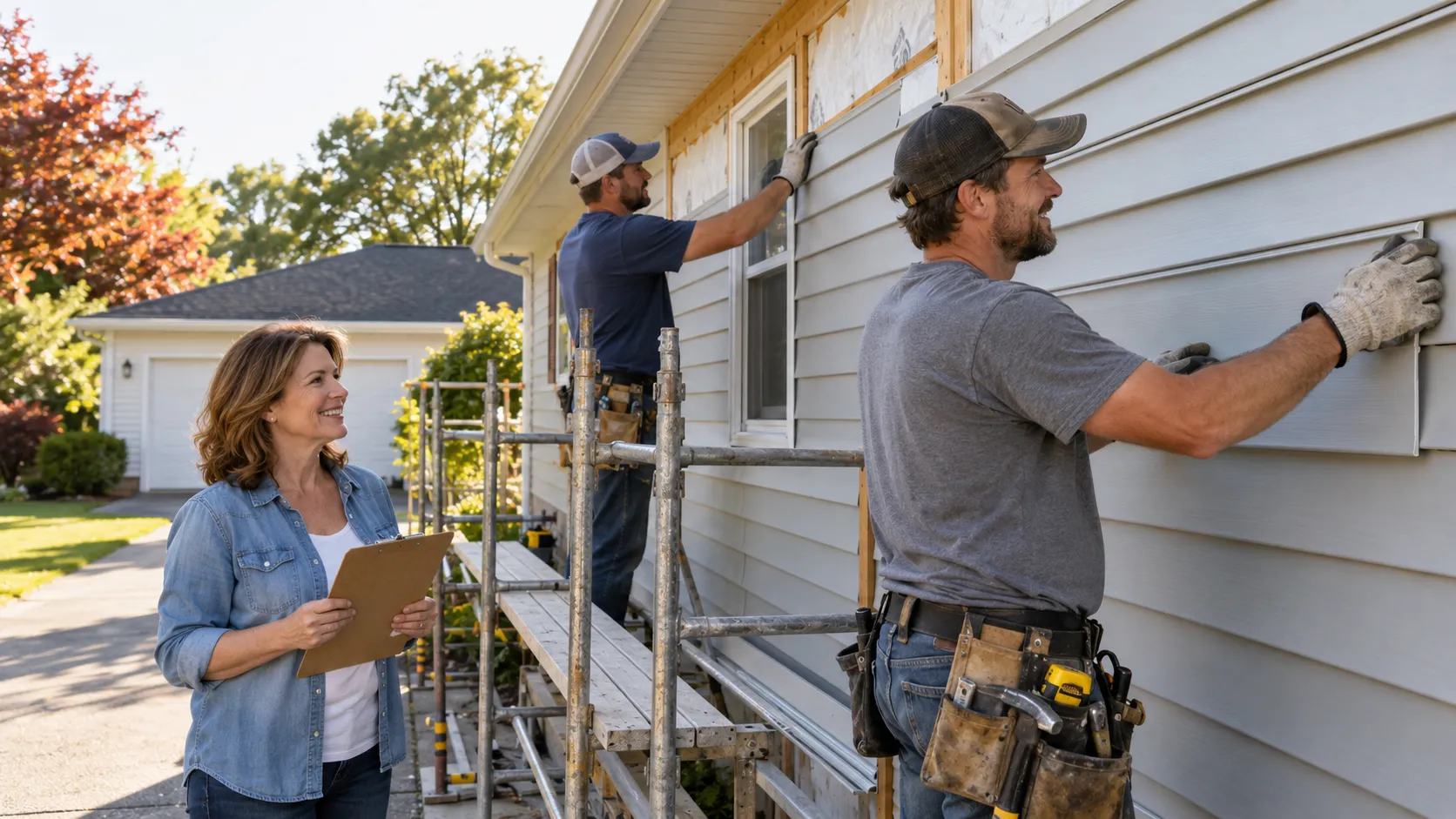
Know your limits. Hanging siding looks easy. It is not. Panels must expand and shift without buckling. Flashing must shed water the right way. Work above one story needs scaffolding and fall protection.
Leave removal, wall repair, and installation to a licensed provider where your area requires one.
The Hidden Danger of Old Siding
Older tract homes may have siding or paint from decades ago. Some old materials can hold hazards, such as lead paint or asbestos-containing products. Do not sand, scrape, or cut anything old. Ask providers how they handle it.
Choosing a Siding Material
The right material depends on your budget, weather, and look. Here is the quick version.
Vinyl Siding
Vinyl siding is popular for a reason. It costs less than most options and needs little upkeep. It can crack in hard impact and may fade over time.
Fiber Cement
Fiber cement is heavy and sturdy. It resists fire and pests. It costs more and needs skilled cutting, so it is firmly a pro job.
Wood and Engineered Wood
Wood looks warm and classic. It needs paint or stain and regular care. Engineered wood costs less and resists moisture better.
Stucco Homes
Many ranch homes here have stucco. Adding or switching siding on a stucco wall takes planning. A provider should check the wall and the framing first.
Think About Your Climate
Long dry seasons bake siding. Winter rain events test every seam. Smoke seasons leave ash and soot. Mild coastal air is easier, but damp mornings still matter.
Ask providers which products hold up in these conditions. Ask about fire ratings, too, and check local rules.
Energy Efficient Windows and Your Siding
Siding and windows meet at every opening. If you plan new energy efficient windows soon, say so when you get estimates. Doing both in the right order can avoid cutting into fresh siding later.
What Siding Installation Involves
A typical job runs in this order:
- Inspect the walls and measure
- Remove old siding
- Repair damaged sheathing
- Add house wrap and flashing
- Hang the new siding
- Seal, trim, and clean up
The wrap and flashing steps matter most. You cannot see them later, so ask about them.
How Long Does Siding Installation Take?
Most homes take from a few days to a couple of weeks. Size, material, and weather change that. Hidden rot adds time. Ask each provider for a written schedule.
Planning Ahead
Book early in the dry season if you can. Rain delays are common in winter. Providers may be busier in spring and fall. Many providers can respond quickly, but schedules vary.
Before Work Starts
Plan for noise, dust, and ladders. Move cars and toys from the walls. Tell neighbors. Secure pets. Ask where debris will go.
Comparing Estimates, Then Deciding
Compare, then decide. Get at least two or three written quotes. Make sure each one covers the same walls, the same material, and the same extras.
A much lower price may mean skipped steps. A much higher one may include things you do not need. Ask why.
Questions to Ask the Provider
- Is the provider licensed and insured where required?
- Who does the work, and who supervises?
- What happens if rot is found?
- What brand and grade of siding is quoted?
- How is house wrap handled?
- What does the warranty cover, in writing?
- How is payment scheduled?
Insurance and Siding
Some policies may cover sudden damage, such as from a storm. Wear and age usually are not covered. Check your policy. Providers can often help document damage for a claim.
Red Flags to Walk Away From
Be careful with anyone who pressures you to sign today, asks for most of the money up front, or will not put the price in writing. You can always say no. No obligation means no obligation.
Ready to Compare?
Request a callback to check provider availability in your area, or send a request through the form. A local provider in our network will reach out. You take it from there.
What's Included
Wall Inspection and Measuring
A provider checks each wall for rot, moisture, and framing problems before pricing the job.
Old Siding Removal
Worn panels come off and debris gets hauled away from your property.
Wrap and Flashing Installation
Weather barrier and flashing go on first, so water drains away from the wall.
New Siding and Trim
Panels or boards go up, trim and caulk are added, and the site is cleaned.
Typical Siding Costs
Prices vary by home size, material, and wall condition. These are typical U.S. ranges only. Your quote may differ. Get a written quote from each provider and compare line by line.
| Item | Typical range | Notes |
|---|---|---|
| Vinyl siding, installed | $4 – $8 per sq ft | Budget-friendly and low upkeep |
| Fiber cement, installed | $6 – $14 per sq ft | Heavy and durable, needs skilled cutting |
| Wood or engineered wood | $5 – $15 per sq ft | Engineered wood sits near the lower end |
| Old siding removal | $1 – $3 per sq ft | Higher if old materials need special handling |
| House wrap and flashing | $1 – $3 per sq ft | Often bundled into the installed price |
| Whole-house vinyl project | $10,000 – $25,000 | Depends on size, stories, and trim |
How It Works
Look and Photograph
Walk around your home, note problem spots, and take clear photos of each wall.
Call or Send Request
Request a callback to check provider availability, or fill out the estimate request form.
Compare Written Estimates
A local provider reviews your project. Compare scope, material, and price across quotes.
Decide With No Pressure
Pick a provider, wait, or walk away. The choice is yours, with no obligation.
Why Call Cacnon Windows & Siding
Know Your Limits
We explain which prep tasks you can handle and which parts need a trained pro.
Local Providers
Independent residential siding contractors in the Loomis area who know the weather and local homes.
Compare Freely
Review estimates side by side. Take your time deciding.
No Obligation
Asking costs nothing and commits you to nothing.
Other Services
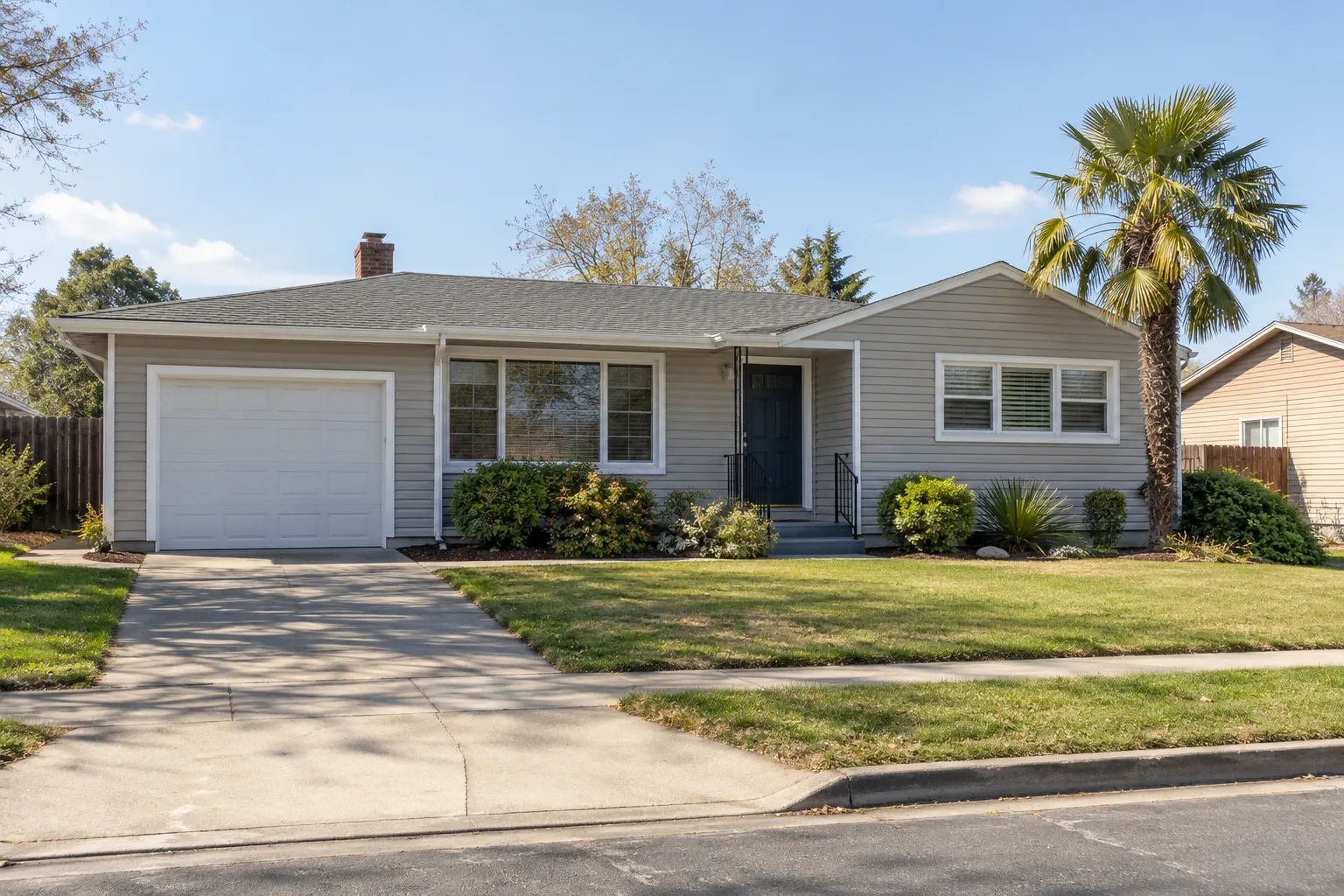
Need home siding installation in Loomis?
Request a callback to check provider availability, or send a request. Tell us about your windows or siding. A local provider follows up with you.
No obligationHome Siding Installation FAQ
Can I install siding myself?
You can on a small, low shed or garage with basic skills. For a full home, hire a pro. Wall prep, flashing, and working at height are hard to do safely and correctly. Mistakes let water in.
Is vinyl siding a good choice?
Vinyl siding suits many homes. It costs less and needs little care. It can crack from impact and fade in strong sun. Ask providers about thickness and color.
How do I know if I need new siding or just a repair?
A few damaged panels may only need a fix. Widespread cracking, rot, or leaks usually mean replacement. A provider can inspect and explain what they see. Get a written quote before deciding.
Tell us what happened
Request a callback to check provider availability, or send a request. Tell us about your windows or siding. A local provider follows up with you.
No obligation